

CULTISH: Six Years of Fearless Streetwear, Culture, and Community
In the heart of Cape Town, where creativity collides with rebellion, a brand has risen from the underground to redefine what South African streetwear means. CULTISH™, founded in 2020 by creative director Ryan Brussow, has spent six years carving out a legacy that is equal parts fashion, art, and cultural resistance. Today, we celebrate CULTISH’s fearless journey — a story of oversized tees, punk spirit, and a community that refuses to be boxed in.
The Birth of a Movement.
CULTISH was never meant to be just another clothing label. Born during the pandemic, its foundation was laid in a time of uncertainty, yet its vision was clear: to create garments that embodied the raw energy of skateboarding, punk, hip-hop, terrace culture, and early internet aesthetics.
What started with a handful of screen-printed tees quickly grew into a DIY-driven atelier in Cape Town, where every garment is cut, dyed, washed, distressed, and printed locally. This hands-on approach became CULTISH’s signature, setting it apart from mass-produced fashion.
Brussow’s philosophy was simple yet radical: abrasion meets refinement, luxury meets utility, gallery meets gutter. CULTISH would not resolve these contradictions — it would embrace them.
From Bree Street to Global Recognition.
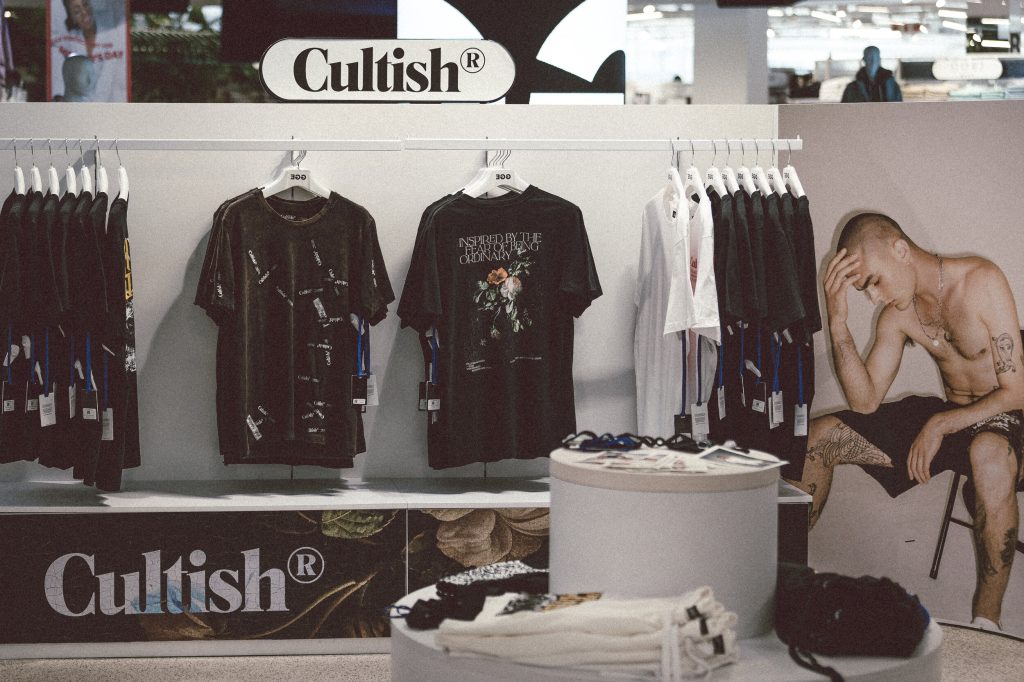
By 2026, CULTISH had expanded beyond its Cape Town flagship at 133 Bree Street, opening a second store in Johannesburg’s Rosebank Mall. These spaces became more than retail outlets; they were cultural hubs, hosting mixers, live performances, and collaborations that blurred the line between fashion and music.
The brand’s refusal to rely on traditional advertising, instead using “culture as currency,” allowed it to grow organically. CULTISH became a symbol of authenticity, attracting a fiercely loyal following both locally and internationally.
Collaborations That Defined an Era.
CULTISH’s rise was fueled by its deep ties to South Africa’s hip-hop and creative scene. The brand partnered with icons like AKA and Costa Titch, launching tribute capsules that honored their legacies.
Collaborations with Blxckie, one of the country’s most celebrated rappers, showcased CULTISH’s ability to merge fashion with music seamlessly.

Beyond individual artists, CULTISH worked with EMPIRE Africa, hosting massive cross-city mixers that brought together DJs, producers, and fans in a celebration of culture. These events weren’t just about clothes — they were about connection, resistance, and belonging.
The Signature Style.
CULTISH’s garments are instantly recognizable: – Oversized box-fit tees with bold graphics – Heavyweight hoodies treated with custom washes and distressing – Baggy denim and tech jackets that balance utility with luxury – Custom 5-panel caps that complete the look
Each piece is treated as art, with prices reflecting its craftsmanship. Tees retail between R1,200–R1,950, while hoodies and jackets often exceed R2,500. This pricing model challenged the local market, proving that South African brands could command luxury-tier respect.
Controlled Scarcity and Community Loyalty.
One of CULTISH’s most defining strategies has been its strict limited-drop model. By refusing to mass-produce or restock lines, the brand created a culture of scarcity that fueled demand and loyalty.
This approach gave rise to a competitive resale market, where CULTISH pieces became prized possessions. More importantly, it fostered a sense of community — those who wore CULTISH weren’t just customers, they were part of a movement.
Bridging Music, Fashion, and Art.
CULTISH’s impact extends far beyond clothing. By hosting mixers and collaborating with global brands like Jägermeister and Monster Energy, the label positioned itself as a cultural ecosystem.
Events like the multi-city album listening session for K.Keed and Orish’s “uMgaranto II” in July 2026 highlighted CULTISH’s role as a bridge between music and fashion. These gatherings weren’t just promotional — they were cultural milestones, reinforcing CULTISH’s identity as a brand raised by the internet but grounded in community.

A Philosophy of Resistance.
At its core, CULTISH is about resistance. Its manifesto declares: “These clothes are our symbols of resistance. Made for the outsiders, the ones who stand shoulder to shoulder and keep the noise alive.”
This ethos resonates deeply with South Africa’s youth, who see CULTISH not just as fashion, but as a statement of identity. The brand’s refusal to conform, its embrace of outsider culture, and its commitment to authenticity have made it a beacon for those who reject mainstream narratives.
Looking Ahead.
As CULTISH celebrates six years, the question isn’t whether it will survive — it’s how far it will go. With its foundation firmly rooted in community and culture, the brand is poised to expand globally while staying true to its DIY ethos.
Future plans include deeper collaborations with international artists, expanded retail presence, and continued experimentation in garment construction. Yet, no matter how far CULTISH travels, its heart will remain in Cape Town, where it all began.
A Standing Ovation.
CULTISH’s journey from DIY tees to cultural powerhouse is a testament to the power of authenticity, community, and fearless creativity. In six short years, Ryan Brussow and his team have built more than a brand — they’ve built a movement.
As we look back on CULTISH’s impact, one thing is clear: this is not just streetwear. This is culture, resistance, and art stitched into fabric.
Congratulations to CULTISH for six fearless years of shaping South African streetwear, redefining cultural boundaries, and proving that creativity knows no limits.
About The Author