
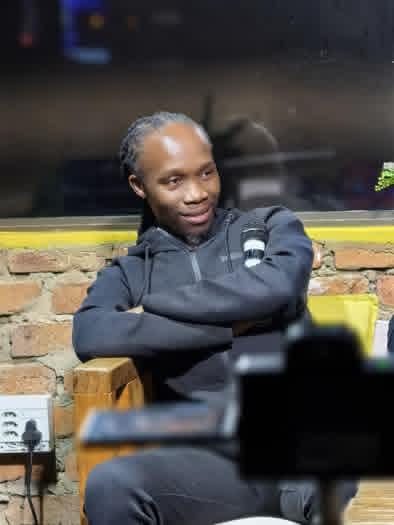
From Mamelodi to the World: The Rise of Faheem Gupta.
Township Roots, Global DreamsBorn in 1989 in Mamelodi East, Lehlogonolo Meshack Faheem Mabuza—better known as Faheem Gupta—embodies the restless energy of a generation unwilling to be boxed in. His journey is not a straight line but a constellation of pursuits: chef, podcaster, entrepreneur, footballer, and cultural storyteller. Each role is stitched together by a single thread—his determination to transform township identity into a global narrative.
Mamelodi, with its bustling streets and unapologetic vibrancy, was his first classroom. Here, every flavor carried history, every rhythm echoed resilience, and every hustle spoke of survival. Gupta absorbed it all, turning township life into a philosophy: to create is to resist, and to resist is to live.
Culinary Architect.
Faheem’s earliest passion was food. What began as curiosity in his mother’s kitchen evolved into a calling. He was not content with simply cooking—he became a culinary architect, reimagining humble staples into bold statements. Pap and chakalaka became canvases for experimentation; shisa nyama was elevated into gourmet storytelling.
For Gupta, food was never just about feeding people. It was about bottling the heartbeat of Mamelodi into dishes that spoke of identity, struggle, and joy. His pop-up kitchens became cultural hubs, where flavors carried memory and meals became conversations.
The Podcaster’s Voice.
But Gupta’s creativity was not confined to the kitchen. Witnessing the silence around modern manhood, he launched a podcast series that tackled themes of masculinity, vulnerability, and community. His episodes blended personal anecdotes with township wisdom, offering listeners a raw but healing dialogue.
In a society where men are often discouraged from expressing emotion, Gupta’s podcast became a safe space. He challenged stereotypes, urging men to embrace honesty and accountability. His voice resonated far beyond Mamelodi, sparking conversations in Johannesburg, Cape Town, and eventually among diaspora communities abroad.
Football and Brotherhood.
Football was another stage for Gupta’s philosophy. As a player, he saw the sport not just as competition but as a metaphor for township life—fast, unpredictable, and demanding teamwork. On dusty pitches, he learned discipline, resilience, and the art of improvisation.
He later used football as a tool for community building, organizing local tournaments that doubled as mentorship platforms. For him, the game was about more than goals—it was about giving young men a sense of belonging, a reminder that they were part of something larger than themselves.
Entrepreneurial Hustle.
Gupta’s entrepreneurial ventures reflect his refusal to be boxed in. From food businesses to creative collaborations, he built brands that carried township DNA. His ventures were not about chasing profit alone—they were about cultural ownership.
He partnered with local artisans, promoted township fashion, and invested in small businesses. Each project was a declaration: Mamelodi is not a place of lack but a reservoir of creativity waiting to be recognized.

A Creative Force.
What makes Gupta remarkable is his ability to weave all these pursuits into a single identity. He is not a chef who podcasts, nor a footballer who hustles. He is a creative force, constantly reinventing himself while staying rooted in his origins.
His mantra is simple: “I am Mamelodi, but I am also the world.” This duality allows him to move seamlessly between township streets and global platforms, carrying his heritage as both anchor and compass.
Cultural Commentary.
Gupta’s rise also speaks to broader shifts in South African identity. He represents a generation that refuses to be defined by apartheid’s shadows or by stereotypes of township life. Instead, he reclaims culture as power.
By blending food, sport, media, and entrepreneurship, he challenges the notion that success must follow a single path. His story is proof that creativity thrives in multiplicity, and that township voices can shape global conversations. –
Challenges and Triumphs.
Of course, Gupta’s journey was not without obstacles. Financial struggles, industry gatekeeping, and societal expectations often threatened his progress. Yet each challenge became fuel. He learned to navigate rejection, to build networks from scratch, and to trust his vision even when resources were scarce.
His triumphs—whether a sold-out food event, a viral podcast episode, or a successful business launch—were not just personal victories. They were community celebrations, proof that Mamelodi’s stories could resonate worldwide.
The Road Ahead.
Looking forward, Gupta envisions expanding his culinary brand internationally, taking township flavors to global stages. His podcast continues to grow, with plans to feature voices from across Africa and the diaspora. His entrepreneurial ventures are evolving into cultural incubators, designed to empower young creatives.
For him, success is not about leaving Mamelodi behind but about carrying it forward. His dream is to see township culture recognized not as marginal but as central to South Africa’s identity—and to global creativity.
Faheem Gupta’s rise is more than a personal story. It is a testament to the power of township creativity, resilience, and vision. From Mamelodi East to the world, he proves that identity is not a limitation but a launchpad.
At 37, Gupta stands as a symbol of possibility: a man who cooks, speaks, plays, hustles, and creates—not because he wants to be everything, but because he refuses to be nothing less than himself.
This long-form news report captures Faheem Gupta’s journey across food, podcasting, football, and entrepreneurship, weaving his personal story into the broader narrative of township resilience and global ambition.
About The Author