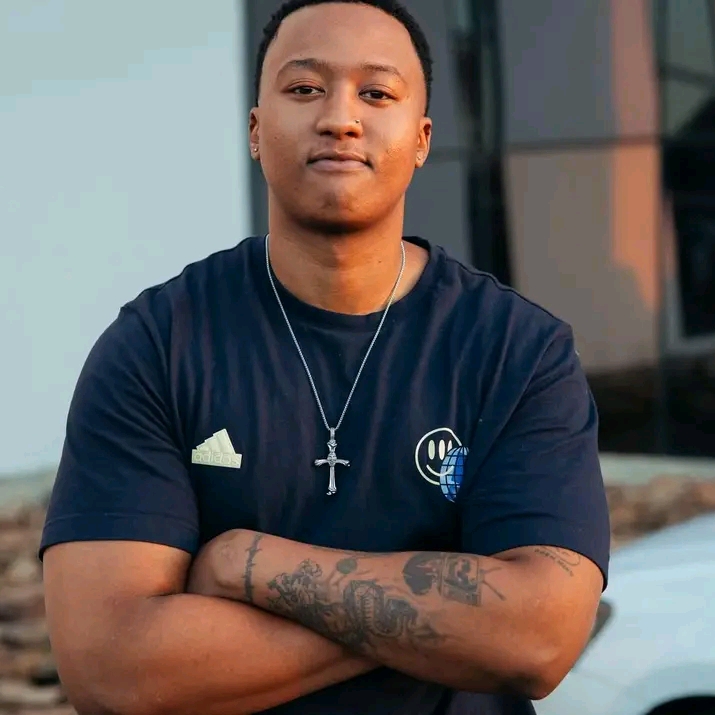
In the ever-evolving landscape of South African hip-hop, few voices have emerged as unapologetically direct and culturally disruptive as Okay Swisher (real name Hermez). The journalist, podcaster, and digital content creator has built his independent platform, The Swisher Show, into a hub for raw conversations, viral takes, and unfiltered commentary that resonates with both underground purists and mainstream audiences.
Crafting Fresh Conversations.
Swisher’s approach to interviews with artists like Dee Koala, Flvme, and Zingah is rooted in meticulous preparation. “I watch their previous interviews and try to ask them questions they haven’t been asked before,” he explained. His goal is to avoid recycled narratives and instead spark dialogue that feels authentic and new. 💬
A Reputation for Bluntness.
Known for his sharp tongue, Swisher admitted that filtering himself is nearly impossible: “I sometimes try to filter myself, but my voice is so blunt and so direct that it’s impossible. I just talk whatever I want.” This candor has become both his signature and his risk, often drawing strong reactions from fans and critics alike.
Unexpected Moments.
Among his most surprising conversations was with the latest Bravo Leroux, who humorously advised him “ndingamithisi” — don’t get a girl pregnant because it’s a lot of work. For Swisher, moments like these highlight the unpredictable nature of his show.
Viral Comparisons and Cultural Impact.
Swisher’s comparisons between artists such as Usimamane and k1llbrady sparked heated debates online. He defended his approach: “This is my channel, my opinions, my ideas, my page. Even though I’m still building my audience, I remind myself this is my own brand.” His takes, whether controversial or celebrated, have cemented him as a cultural commentator whose voice cannot be ignored.
The Future of SA Hip-Hop.
Looking ahead, Swisher sees South African hip-hop continuing to oscillate between underground credibility and mainstream appeal. He pointed to Nasty C and A-Reece’s collaborations as evidence of the genre’s resurgence: “Hip-hop has been at the forefront again because of the impact of artists working together and dropping albums for the culture.” Artists Deserving More Recognition. Swisher argued that several artists are being overlooked due to industry politics and algorithmic bias. He named Mfana, Touchline, Tsego Montana, and Barbelus as talents deserving greater respect and recognition.
The Up To Speed Fallout.
Swisher’s departure from the Up To Speed podcast — which he co-hosted with DJ Speedsta and Fifi — remains one of the most talked-about controversies in local media. He cited payment and professionalism issues as reasons for leaving: “When I look back, I wish I had handled the situation differently. It’s not that I regret leaving, but I put fuel to the fire.” The fallout escalated when DJ Speedsta and media personality Shamiso publicly challenged his version of events. Swisher, however, stood firm: “I just know my truth. Noise and criticism come with whatever you jump into.”
On Speedsta.
Despite the public clashes, Swisher admitted that in a private setting he would start with an apology: “If me and Speedsta sat down without cameras rolling, I would apologize to him for airing out what I said.” Swisher acknowledged that short-form clips on TikTok and Instagram often outperform full-length YouTube episodes, influencing how he structures interviews. “I really want to build my Facebook, Instagram, and YouTube channels to the next level with a bigger audience,” he said.
Swisher recognizes that his commentary sometimes makes him part of the headlines, citing his controversial decision to exclude Blxckie from his Top 10 list. “My commentary matters to the hip-hop culture, and it gets me involved in the story,” he reflected.
What’s Next for The Swisher Show.
As for the future, Swisher remains deliberately vague but confident: “To be honest, I don’t know what’s next. But as soon as I’m back, the streets will know because I’ll come back with the greatest show ever.”
Okay Swisher’s journey reflects the tension between authenticity and controversy in modern hip-hop media. His blunt style, viral takes, and willingness to challenge norms have made him both a lightning rod and a respected voice. Whether dissecting the future of South African rap or navigating public disputes, Swisher continues to shape the conversation — proving that in a culture built on raw expression, his unfiltered voice is here to stay.
About The Author