The global athletic footwear and apparel powerhouse, has long been synonymous with innovation, cultural crossover, and fitness-driven design. Established in 1958 by brothers Joe and Jeff Foster in Bolton, England, the brand’s roots stretch back to 1895 when their grandfather Joseph William Foster pioneered the world’s first spiked running shoe. Today, under the ownership of Authentic Brands Group (ABG) and the leadership of NBA legends Shaquille O’Neal and Allen Iverson, Reebok is staging a remarkable comeback in both performance sports and lifestyle fashion.
Origins and Early Vision.
– 1895 – J.W. Foster & Sons: Joseph William Foster’s vision was simple yet revolutionary—make athletes faster. His spiked running shoes gained global recognition when worn by Olympic gold medalists in 1924, immortalized in Chariots of Fire. – 1958 – Mercury Sports Footwear: Grandsons Joe and Jeff Foster sought to modernize the family business. – 1960 – Reebok Name: Unable to register “Mercury,” Joe found inspiration in a South African dictionary. The word “Reebok,” derived from the Afrikaans “rhebok,” a swift antelope, became the brand’s identity.
This African connection would later prove symbolic when Reebok expanded into South Africa, aligning its brand with local empowerment and cultural pride.
Global Breakthroughs.
Reebok’s rise to prominence was defined by its ability to anticipate cultural and fitness trends: – 1980s Aerobics Boom: While Nike focused on male runners, Reebok revolutionized women’s fitness with the Reebok Freestyle, the first shoe designed specifically for aerobics. This propelled Reebok to outsell Nike during the decade.
– Pop Culture & Hip-Hop: Reebok blurred the lines between sports and streetwear. Deals with Shaquille O’Neal and Allen Iverson cemented its basketball credibility, while partnerships with music icons like Jay-Z made Reebok the first athletic brand to give non-athletes signature sneakers.
– Niche Fitness Domination: Exclusive deals with CrossFit and the UFC positioned Reebok as a leader in specialized athletic subcultures.
Expansion into South Africa.
Reebok’s South African journey is a story of cultural alignment and political significance: – Apartheid Divestment: Like many global brands, Reebok withdrew during apartheid. – 1994 Democratic Return: Following Nelson Mandela’s call for investment, Reebok returned, structuring its subsidiary so that 45% was black-owned. – Local Empowerment: Manufacturing partnerships inside South Africa ensured economic participation. – Sports Partnerships: Reebok sponsored the National Olympic Committee of South Africa and partnered with The Sharks rugby franchise, embedding itself in national pride.
This legacy continues today, with Reebok SA renewing its partnership with The Sharks in 2026, expanding beyond kits into lifestyle collections and fan retail experiences. 2 Leadership & Ownership
Reebok’s modern resurgence is powered by NBA legends:
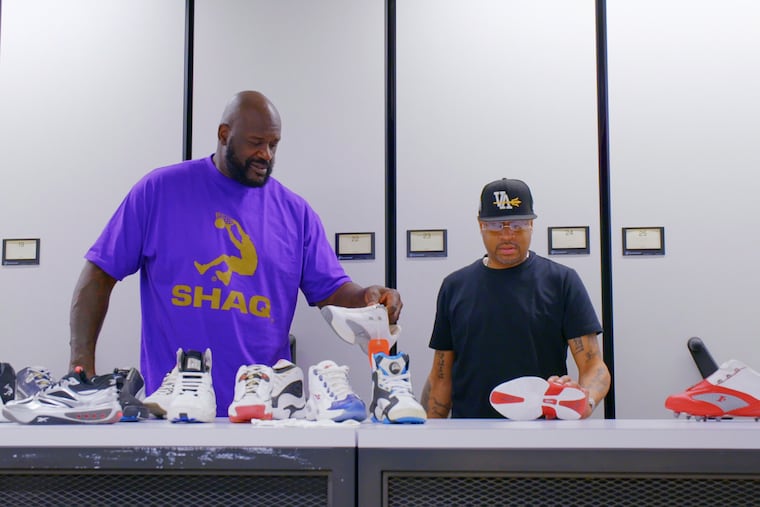
– Corporate Owner: Authentic Brands Group (ABG), which acquired Reebok from Adidas in 2022. – Shaquille O’Neal: Partial owner of ABG, second-largest individual shareholder, and President of Reebok Basketball. Shaq’s involvement dates back to his 1992 signature deal, and today he drives athlete recruitment, NIL signings, and retro sneaker rollouts. – Allen Iverson: Serving as Vice President of Basketball, Iverson focuses on grassroots initiatives and athlete activations. His legendary 2001 lifetime deal guarantees him $800,000 annually and a $32 million trust fund at age 55.
Together, Shaq and Iverson embody Reebok’s basketball revival, blending nostalgia with modern energy.
Allen Iverson’s Lifetime Deal & Sneaker Legacy.
The partnership between Allen Iverson and Reebok is one of the most culturally significant and financially lucrative lifetime deals in sports history. Signed in 2001, the contract ensures Iverson receives $800,000 annually for life, with a $32 million trust fund awaiting him in 2030.
Iconic Sneaker Timeline.
| Model | Year | Key Features | Historical | Question Mid | 1996 | Hexalite cushioning, icy outsole | Iverson’s rookie shoe; worn during crossover on Michael Jordan || Answer I | 1997 | DMX moving-air tech, I3 logo | Transition to league scoring leader || Answer IV | 2000 | Zipper shroud, Iverson’s face outsole | Worn during 2001 MVP season & “Stepover” on Tyronn Lue |@Reebok continues to re-release Iverson’s catalog under its Classics and Basketball banners, bridging nostalgia with street fashion. Modern updates like the Iverson Solution sneaker and lifestyle apparel collaborations keep his legacy alive for new generations.
Iconic Footwear Lineup.
Reebok’s catalog remains timeless, with silhouettes that transcend generations:
– Club C 85: Tennis-inspired, minimalist everyday style. – Classic Leather: Retro running shoe turned lifestyle essential. – Pump Omni Zone II: Basketball high-top with custom-fit air inflation tech. – Classic Nylon: Lightweight mesh and suede construction for casual wear.
Modern Innovations & Star Signings.
Under CEO Todd Krinsky, Reebok is aggressively expanding in 2026: – Basketball: Launch of the Engine A 26 performance shoe with ERS cushioning and SuperFloat Foam. – Women’s Market: Angel Reese’s signature line “Reebok by Angel” targets the booming women’s basketball and athleisure segment. – Soccer: Reintroduction of the Sidewinder Cleat, optimized for modern play. – Premium Classics: Reintroduction of 100% garment leather across timeless models.

Ambassadors & Athletes.
– Music: Grammy-winning superstar Karol G leads the “Born Classic. Worn for Life” campaign. – Soccer: Juventus striker Dušan Vlahović and Chelsea defender Trevoh Chalobah. – Basketball: WNBA stars Angel Reese and DiJonai Carrington, plus NBA prospects Matas Buzelis and Nate Ament.
Cultural Parallels: YoungstaCPT & AKA.
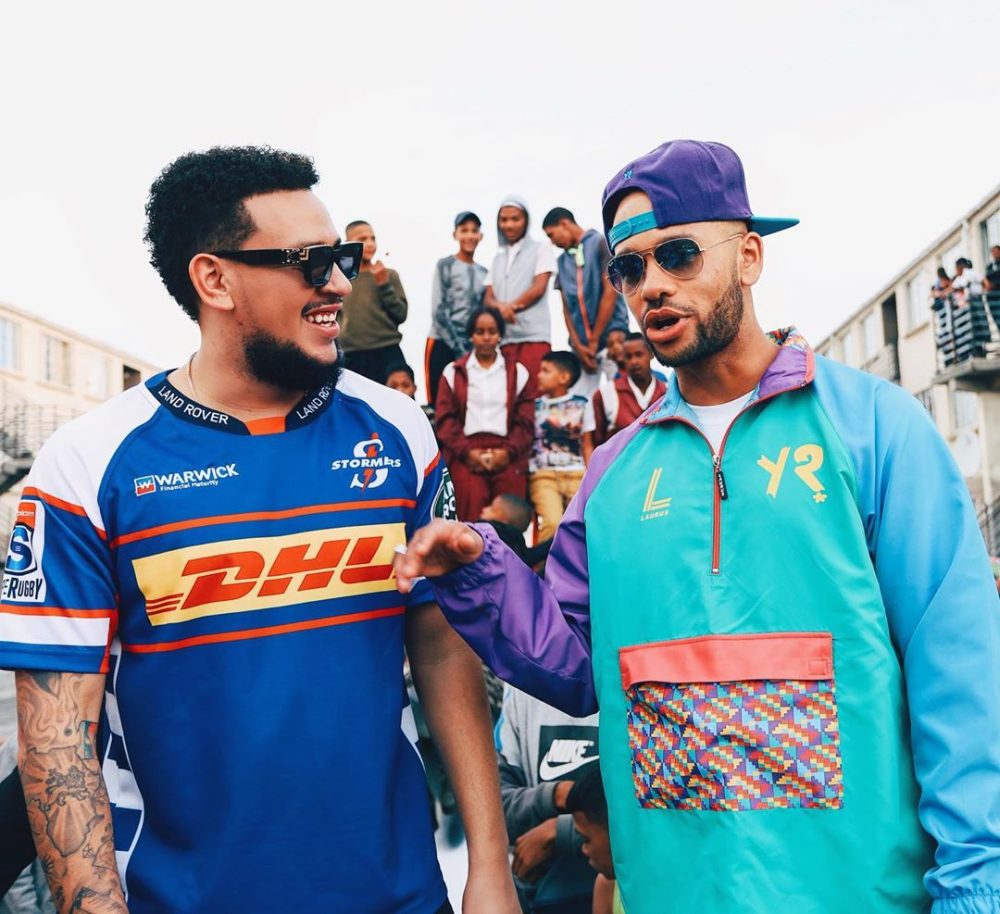
Just as Iverson bridged basketball and hip-hop culture, South Africa’s hip-hop scene found its own generational bridge in YoungstaCPT and AKA. – Main Ou’s (2019): Their iconic collaboration celebrated loyalty, respect, and Cape Town pride. – Visuals: Shot in Cape Town, the video showcased street culture and the chemistry between AKA’s mainstream swagger and YoungstaCPT’s raw Kaapstad lyricism. – Mutual Respect: AKA praised YoungstaCPT’s unapologetic representation of Coloured identity, while YoungstaCPT acknowledged AKA as a pioneer of commercial hip-hop success.
This synergy mirrors Iverson’s influence—where sport, culture, and identity converge to create something larger than life.
Global & Local Market Growth.
South Africa: Renewed Sharks rugby partnership, blending performance kits with streetwear. – Luxury Collabs: Co-branded Freestyle sneakers with Celine. – Retail Expansion: 40–50 new stores annually in booming markets like India.
Cultural Significance.
Reebok’s resurgence is not just about footwear—it’s about reclaiming cultural relevance: – Basketball Revival: With Shaq and Iverson at the helm, Reebok is re-establishing itself as a basketball powerhouse. – Streetwear Integration: Collaborations with luxury houses and music stars bridge athletic heritage with fashion-forward identity. – South African Roots: The brand’s name origin and democratic-era return highlight its unique bond with the region. – Hip-Hop Parallels: Just as Iverson redefined sneaker culture, YoungstaCPT and AKA redefined South African hip-hop identity. Reebok’s journey from Joseph William Foster’s spiked shoes in 1895 to Shaquille O’Neal’s boardroom leadership in 2026 is a testament to resilience, reinvention, and cultural foresight. By balancing heritage with innovation, and by leveraging the influence of icons like Shaq, Iverson, and Karol G, Reebok is once again positioning itself as a global leader in sportswear and lifestyle fashion.
From the aerobics boom of the 1980s to the basketball revival of today, Reebok has consistently proven that it is more than just a footwear company—it is a cultural institution. And with its renewed South African presence, the brand continues to honor the very antelope that inspired its name, sprinting gracefully into a new era of global dominance. Meanwhile, the cultural bridge
About The Author